Grow When You’re Ready. Scale When You Have To.
May 12, 2026
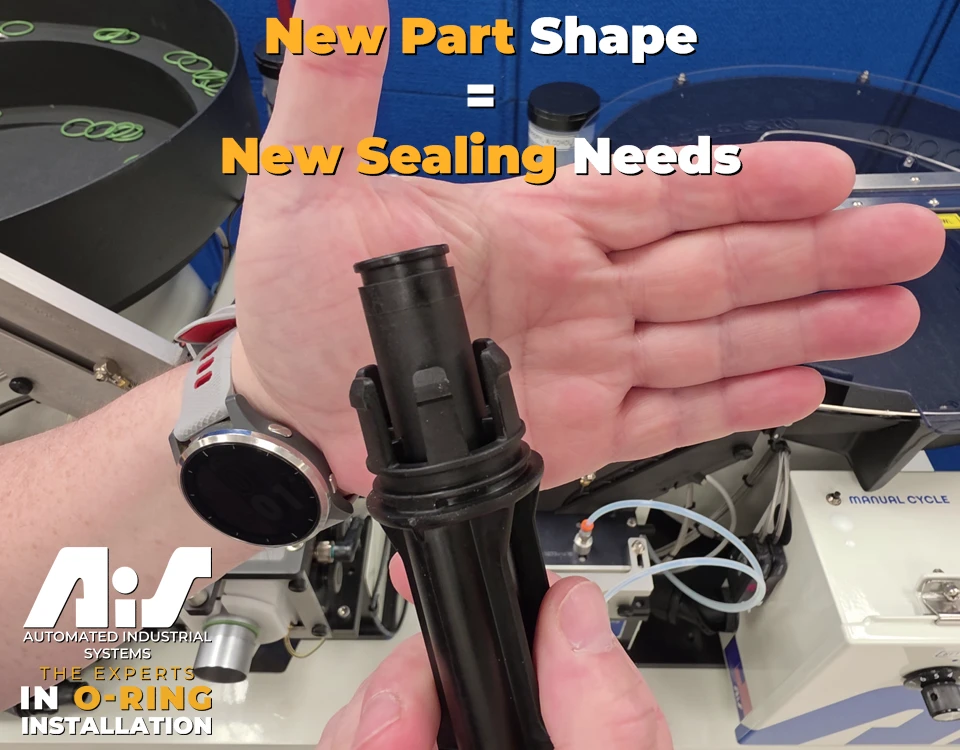
Changed Part=Changed Seals
August 18, 2026Built to Last, Built to Grow
What Two Machine Rebuilds Say About Buying an AIS System
Industrial equipment doesn't usually get a second act
Most machines wear out, get replaced, and end up as a line item in next year's capital budget. AIS machines have a habit of not following that script, and that matters whether you're maintaining one you bought a decade ago or you're staring at a quote for a new one right now wondering if it'll actually hold up.
This spring and summer, two customers sent their machines back to Erie for rebuild and refurbish work. Both left with everything inside replaced and the machine tuned back to like-new performance. One went home exactly as it arrived, just younger. The other went home able to do more than it ever could before. Same service, two very different outcomes, and both make the same point: an AIS machine is an investment that keeps paying off long after the original purchase order is a memory, and it doesn't lock you into whatever your production needs looked like on day one.
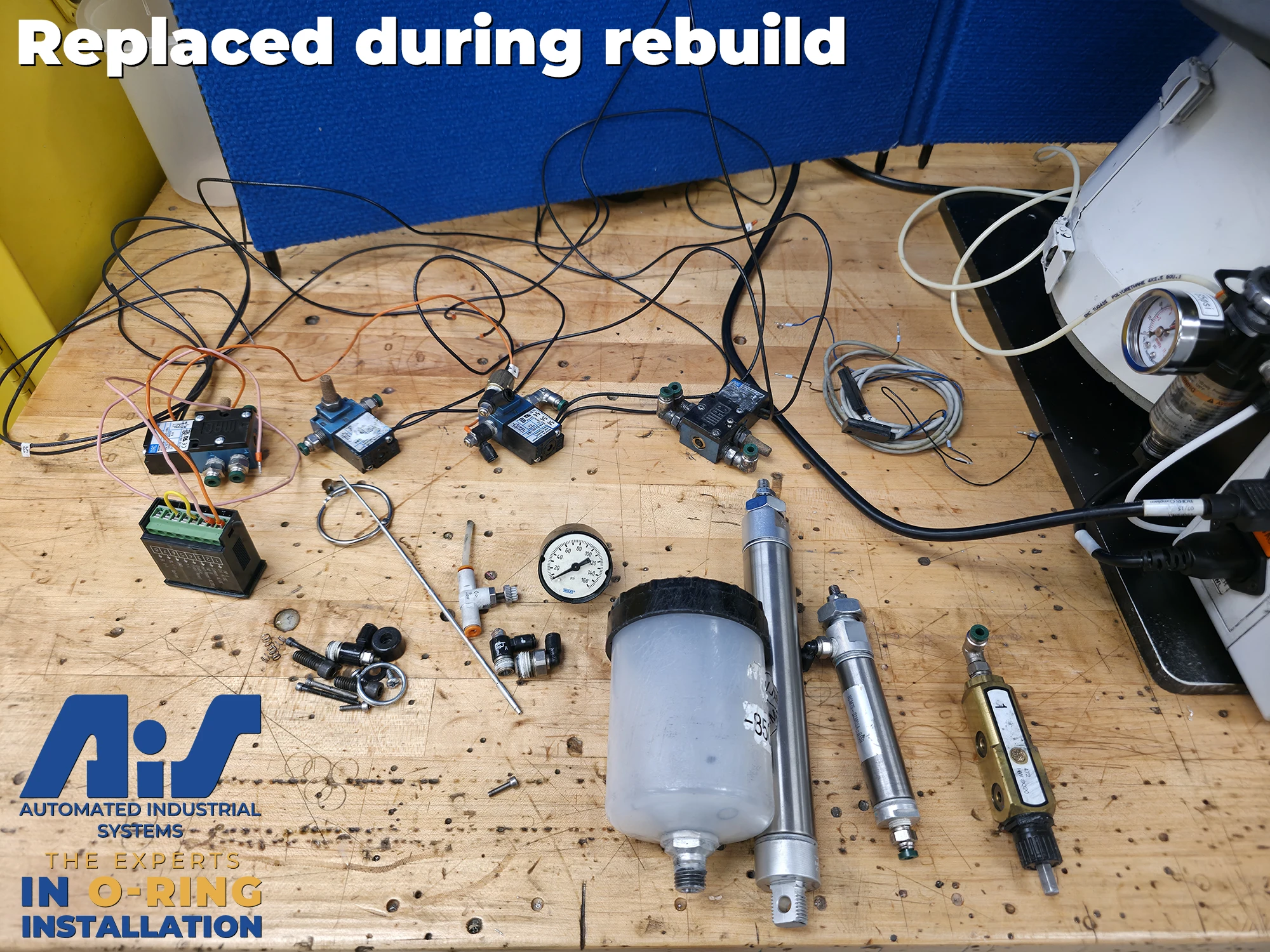
What "rebuild and refurbish" actually means
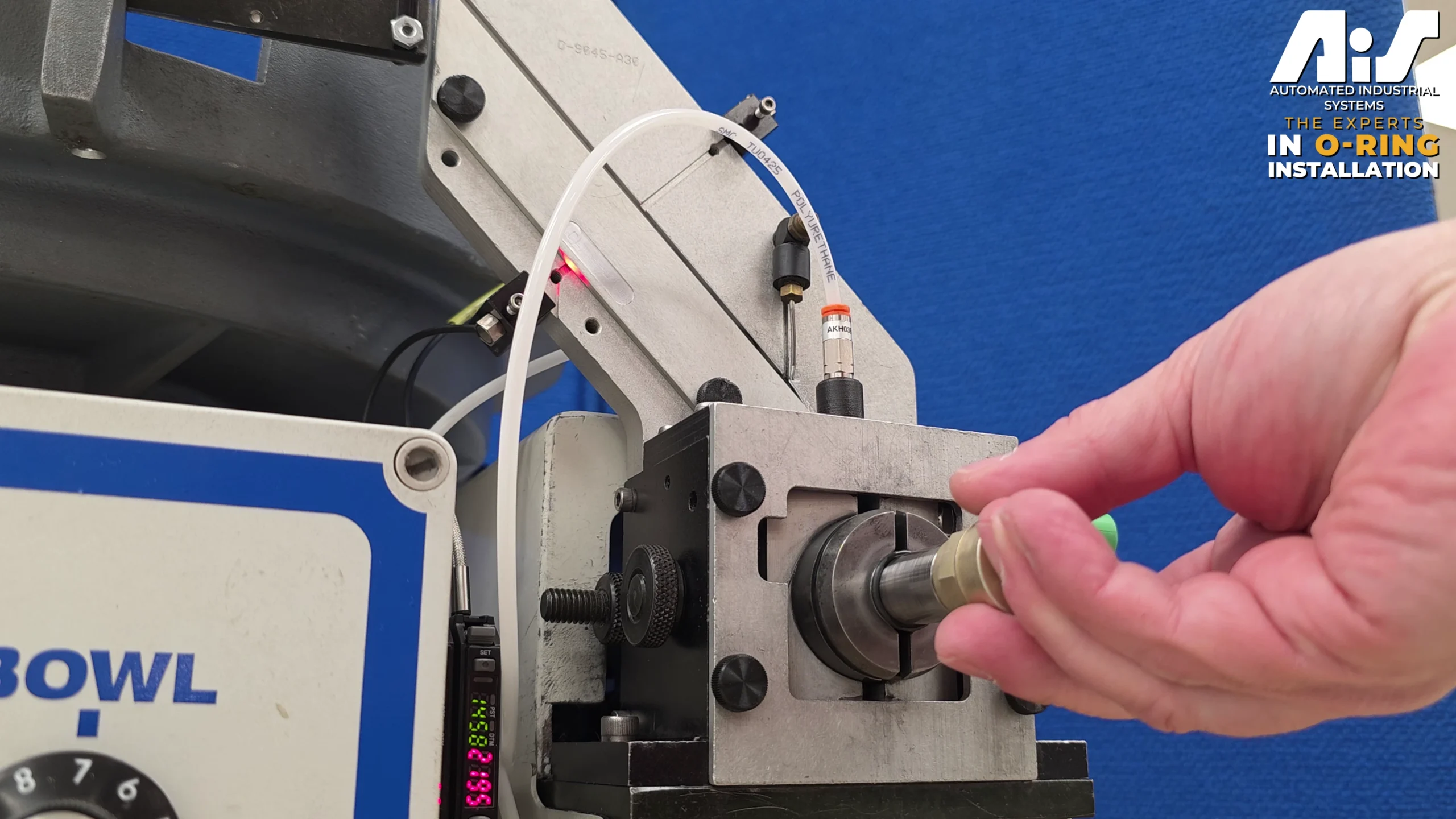
When a machine comes in for this service, nothing gets a quick wipe-down and a pat on the back. Internal components and mechanical parts get replaced, not patched. The machine gets tuned back to original performance standards before it goes anywhere near a shipping crate. It's the industrial equivalent of an engine rebuild, not a car wash.
Case one: ten years, zero drama
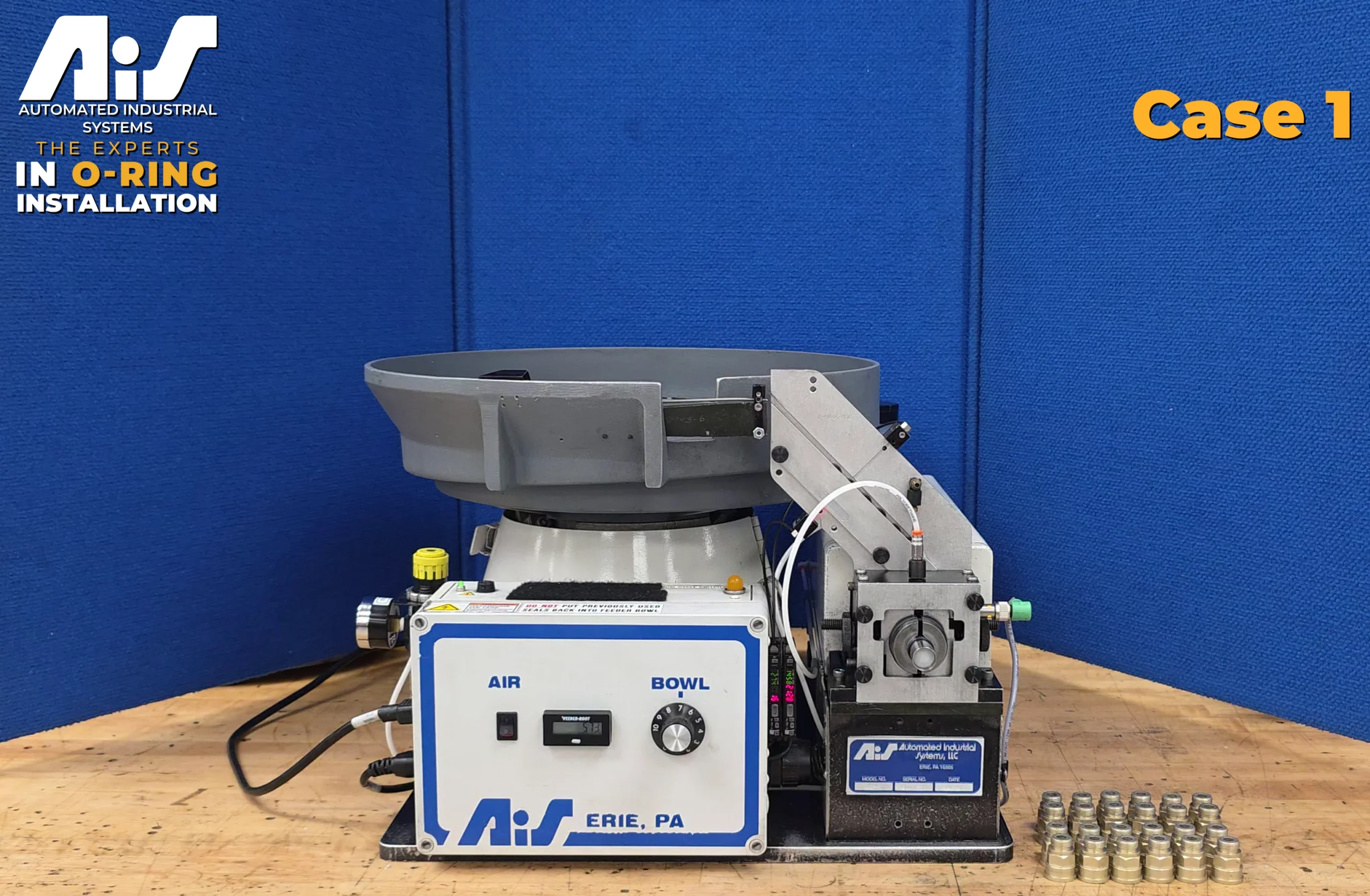
The first machine belongs to an agricultural supplier and has been installing the same o-ring on the same drain plug part for more than a decade. It didn't fail. It didn't throw errors. It just lost some shine, the way anything running that long eventually does. The customer sent it in for a rebuild, we replaced the internals, and it went back into service ready for another decade of doing exactly what it's always done. Sometimes reliability is the whole story. Not every machine needs to reinvent itself, and there's nothing wrong with that. If you're evaluating a new machine right now, this is the baseline you should expect: something that's still earning its keep ten years in.
Case two: same rebuild, bigger ambitions
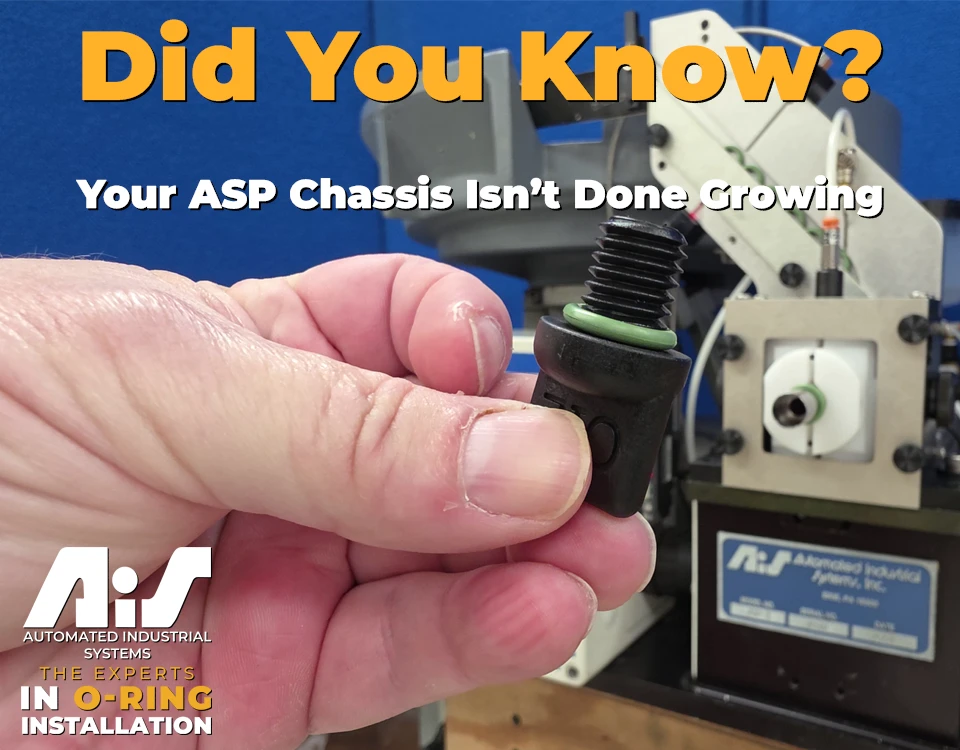
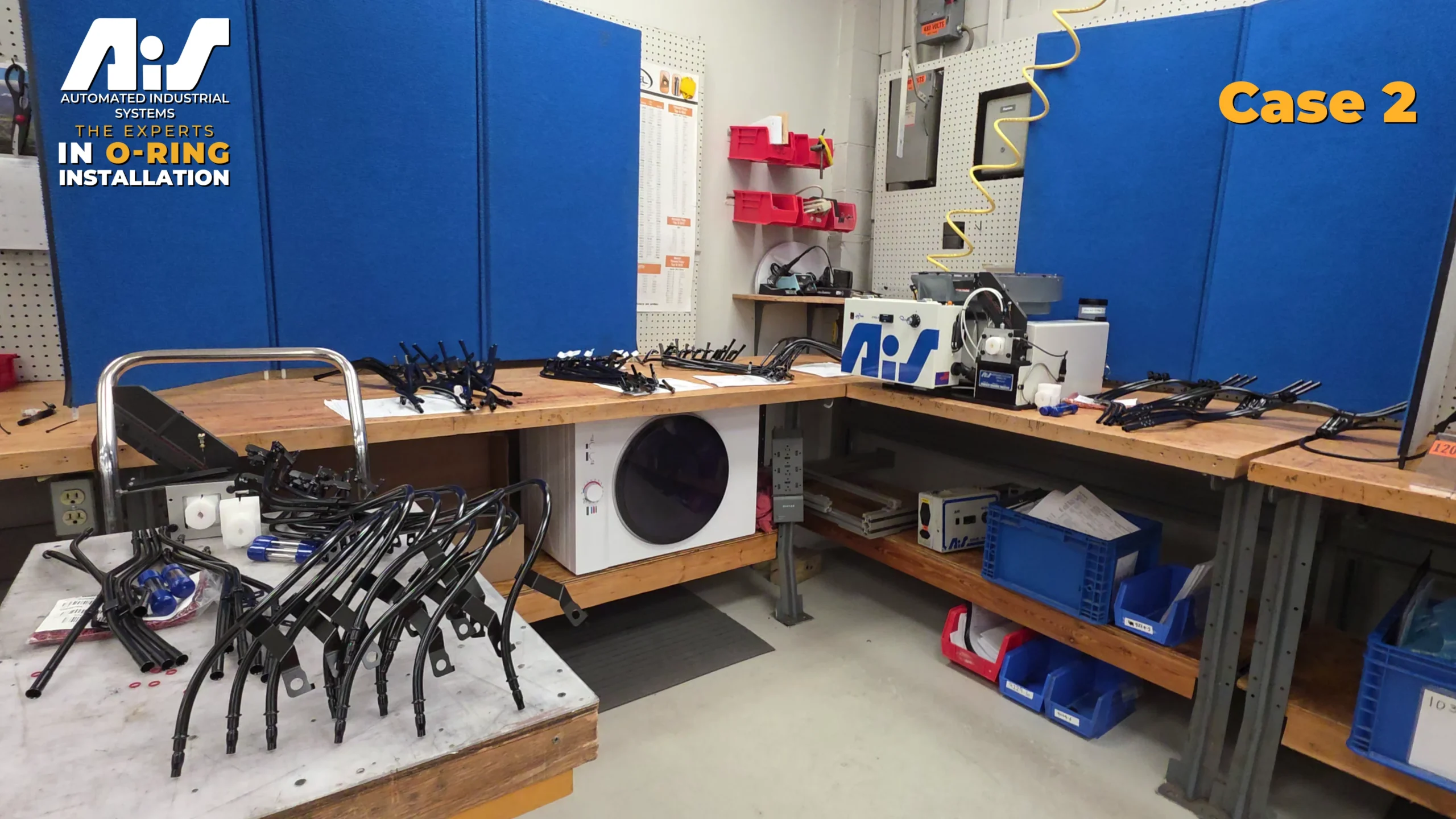
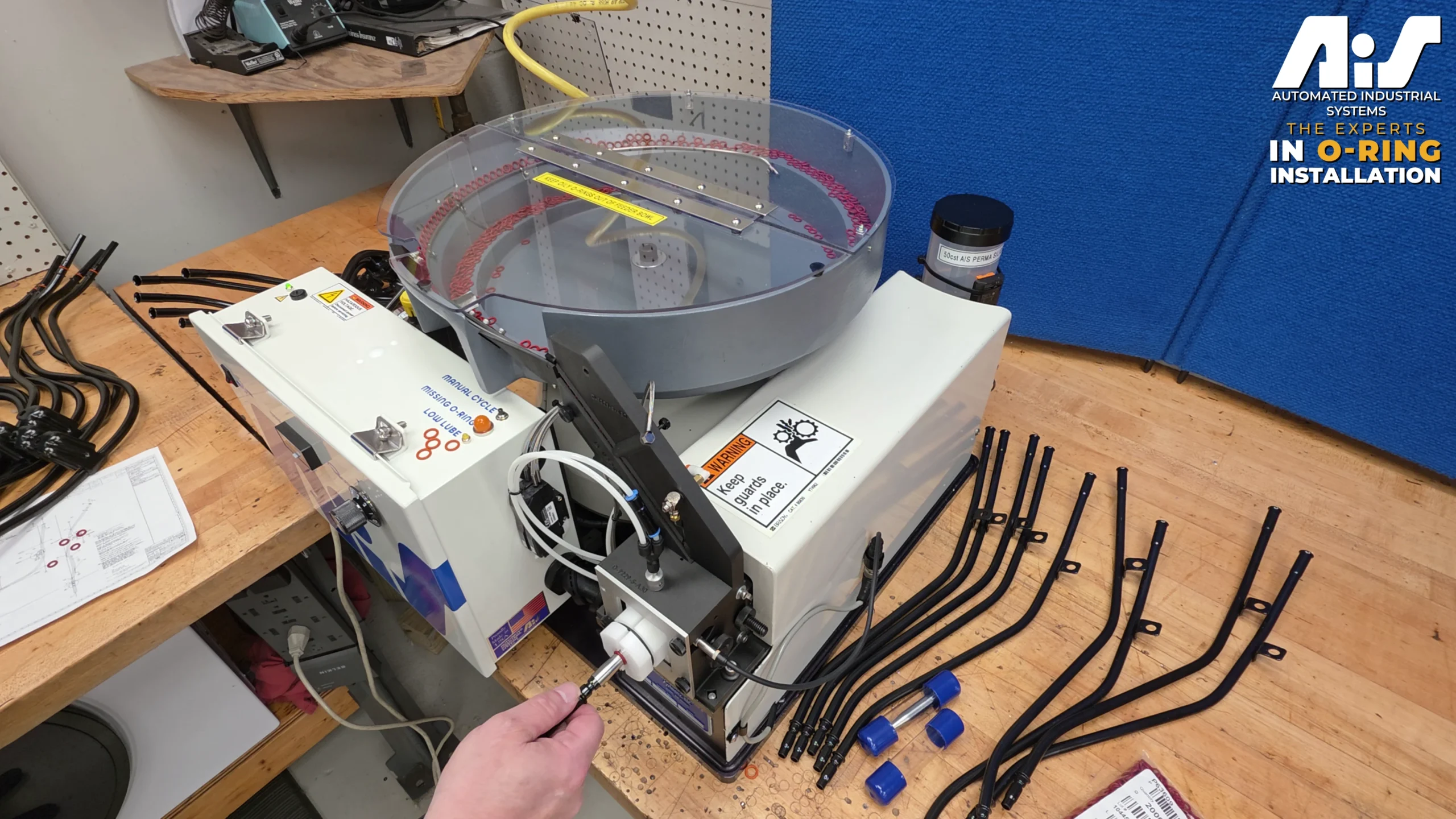
The second machine, an ASP-1 belonging to an automotive supplier, came in running a single head assembly covering four different part configurations. Along with the standard rebuild and refurbish, the customer ordered a second head assembly. That machine now runs two head assemblies, four parts on the original and two new ones on the addition, for six part configurations total. All six are tube assemblies of different shapes and sizes, and while we're not going to get into the specifics of the customer's parts, the takeaway is straightforward: this machine now covers ground it couldn't touch before, without needing an entirely new system to do it.
Both machines were back in production within six to eight weeks of arriving in Erie.
The actual point here
These two jobs landed a month apart and couldn't be a better illustration of the same underlying fact: AIS machines are built to grow with the people running them, not just survive until the warranty runs out. Sometimes growth means "still doing the same job it's always done, just with fresh internals." Sometimes it means expanding a machine's capability without starting from scratch on a new system. Either way, the machine adapts to what the business needs next, instead of the business having to work around what the machine can't do.
If you're buying your first AIS machine, this is the part that should actually matter to your decision. You're not just buying a machine that installs o-rings today. You're buying a platform that can be rebuilt, refurbished, and expanded as your parts mix changes, without starting the capital approval process over from scratch a few years down the line.
That same philosophy is the whole premise behind our upgrade to automation work. If a rebuild and a second head assembly can take a semi-automatic ASP-1 from four part configurations to six, imagine what's possible when you start layering in robotic integration, multi-part handling, and full automation on top of a machine you already own. You're not staring down a full replacement. You're building on what's already proven itself on your floor.
FAQ
Want Consistent, Reliable O-Ring Install Performance?
AIS designs radial stretch–based O-ring installation systems that eliminate installation damage risk and deliver repeatable, high-yield performance. Whether you need standalone benchtop automation or full robotic integration, we engineer the process to help your seals actually seal.
Talk to AIS about a process-centric installation solution, not a guess.