
O-Ring Installation for Automation Builders
AIS o-ring installation modules integrate directly into your automation design.
PLC-compatible, production-tested, and ready to spec.
You're building the system. A good one. And somewhere in the BOM, there's an o-ring installation step that nobody on your team is excited about.
It's not complex enough to be interesting. It's not simple enough to ignore. And if it goes wrong in the field, it goes wrong loudly.
AIS builds the module that takes that problem off your plate, and off your risk register.
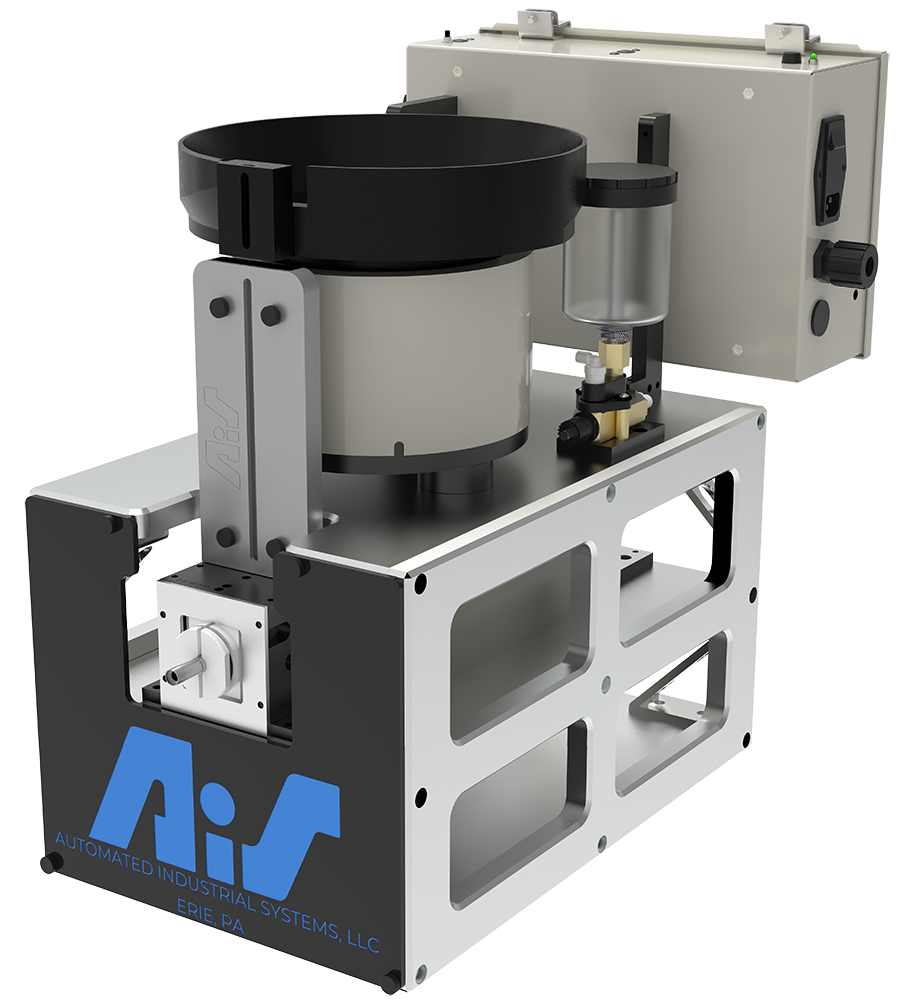
Drop it in your line.
Move on.
AIS o-ring and seal installation machines are designed to integrate into your automation build, not complicate it. Compact footprint. PLC-compatible with multiple communication options. Shipped tuned and tested so your debug time stays where it belongs: on the parts of the system that are actually yours.
No custom tooling development. No reinventing a solved problem. No surprises when it arrives.
The ASP series handles external o-ring installation. The ISP series handles internal. The Variable Placement Module brings the seal to the part when the part can't come to the machine. And the ASP-1 HD-AM is purpose-built for continuous-duty automated assembly lines. Between those options, most integration requirements have a direct answer.
If yours doesn't, we'll tell you that too.
Free your engineers!
For the work that wins the project.
O-ring installation is a solved problem. It has been for a while. AIS has been solving it since 1978, across tens of thousands of applications, in production environments that don't forgive inconsistency.
Spending engineering hours developing seal tooling from scratch is the kind of work that doesn't show up on a win. It shows up on a schedule slip, or a budget overrun, or a field callback that nobody wanted to own.
Spec the AIS module. Hand your team back the hours. Focus the design cycle on the automation that actually differentiates your system.

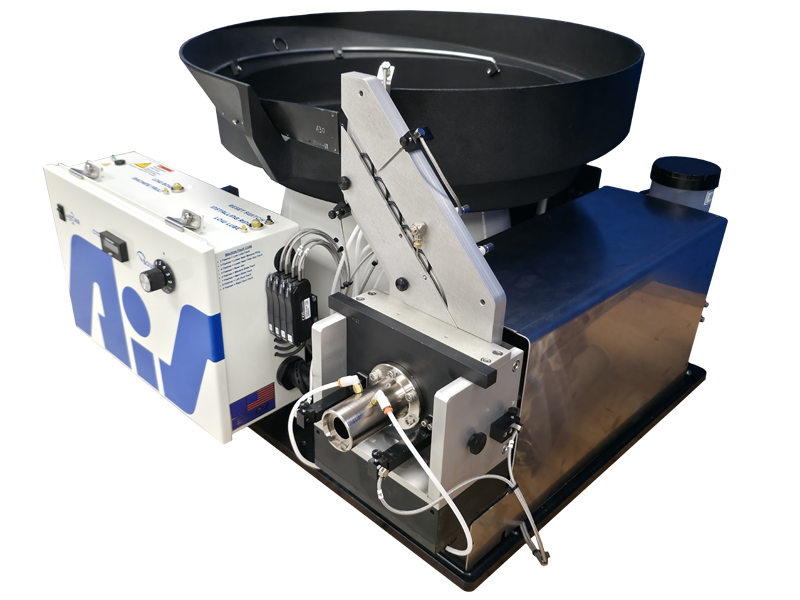
The highest failure rate operation in your build is not yours to own.
This one came directly from customers, so it's worth saying plainly: o-ring installation is where field failures start. Rolled seals, twisted cross-sections, inconsistent placement depth. These are not exotic failure modes. They're common, they're expensive, and they trace back to the installation process almost every time.
AIS machines use a radial stretch method that eliminates the distortion and inconsistency that manual or improvised installation introduces. The machines are built specifically for seal reliability, not adapted from a general-purpose platform.
When you integrate an AIS module, you're not just offloading a task. You're transferring the performance responsibility for that operation to a company that has done nothing else for over 40 years. Your customer gets a better machine. You get fewer support calls. That math is straightforward.
Proven in OEM production.
Not a prototype, but a promise.
AIS machines are not pilot programs or custom one-offs waiting to prove themselves. They are in OEM production environments right now, running at speeds up to 3,600 parts per hour on external applications and up to 1,800 parts per hour on internal, in industries including automotive, medical device, aerospace, and industrial manufacturing.
When you spec AIS, you are speccing something with a track record. That matters when your customer asks about reliability. It matters more when the system is running in their facility and you'd rather not get the call.
Tens of thousands of applications since 1978. That's not a pitch. That's a track record.
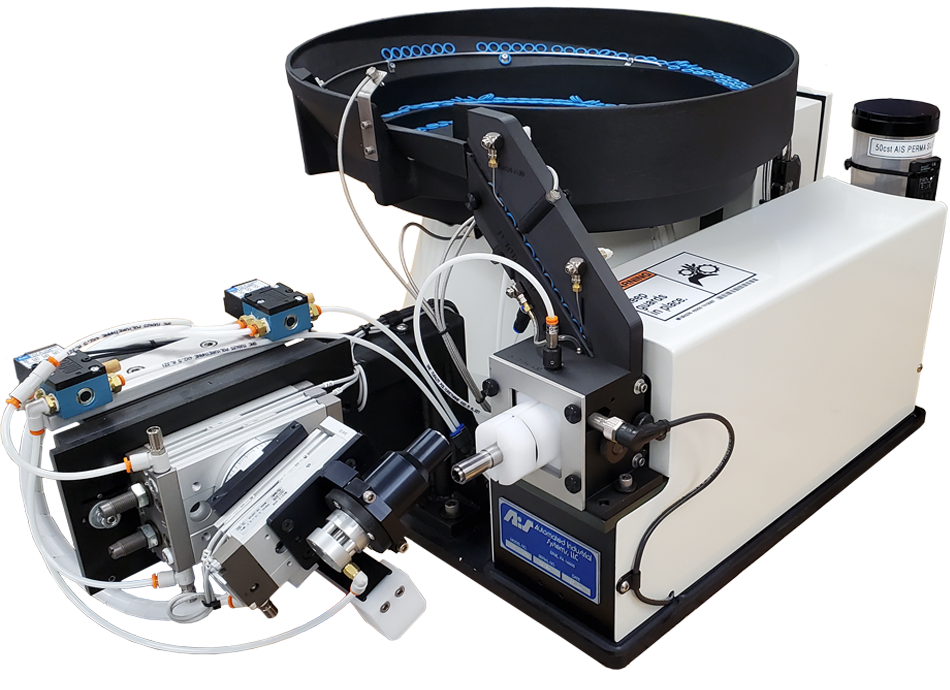
One less variable.
One better machine.
An assembly line is only as consistent as its weakest operation. O-ring installation, done with improvised tooling or manual methods, is a variable. An AIS module is not.
When the seal installation step is handled by equipment built specifically for that purpose, the downstream effects are real: fewer rejects, fewer field adjustments, fewer conversations about why a seal failed six months into production. The machine you deliver performs better because one part of it was never left to chance.
That's not a sales point. That's just how reliable processes work.
Not sure which fits your application?
That's what we're here for.
AIS works directly with system integrators and automation design houses at the project level. If you have an application in front of you, we can talk through the right module, the integration requirements, and what the build actually looks like in your footprint.
Want Consistent, Reliable O-Ring Install Performance?
If you'd like a broader look at where AIS equipment fits in your process before you're at the spec stage, we also offer a free process audit, available remotely or on-site. It's a no-pressure engineering conversation, not a sales pitch.