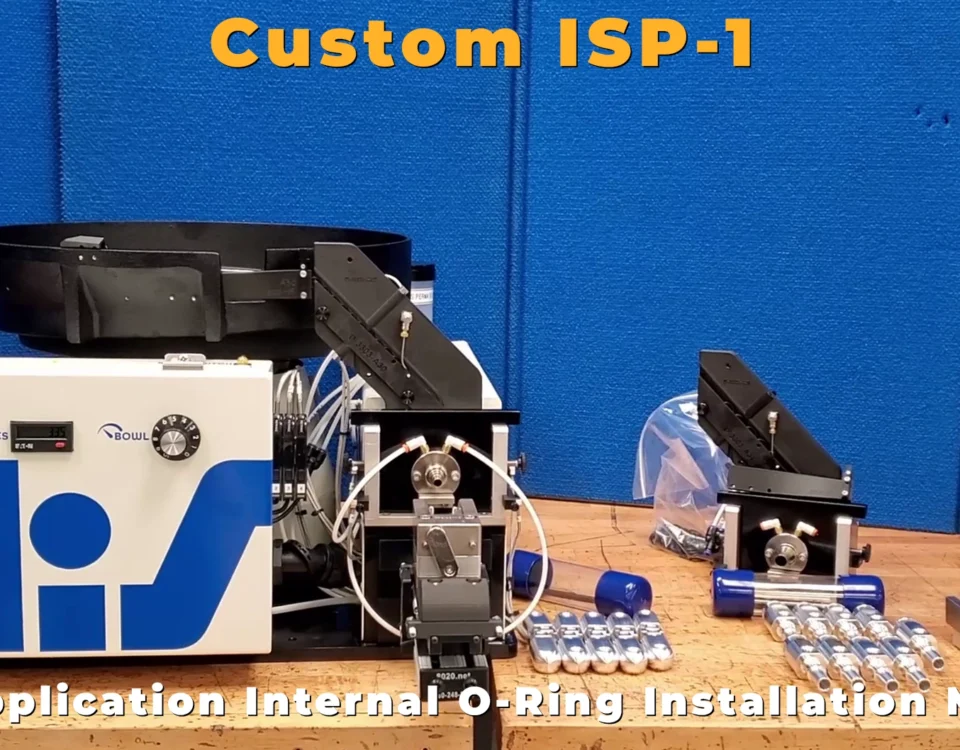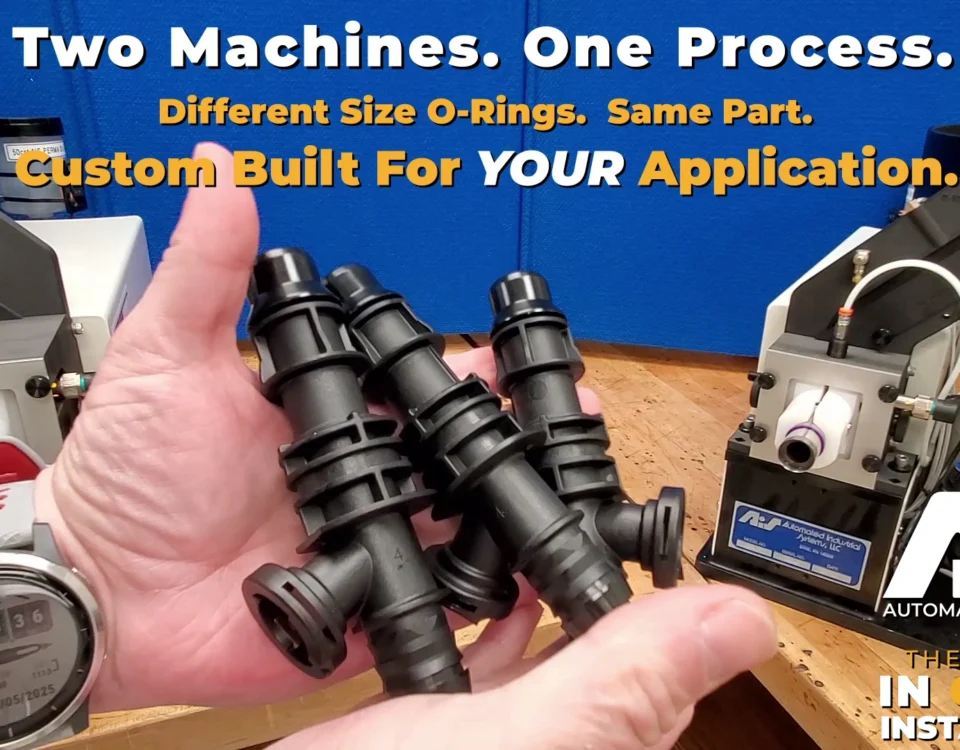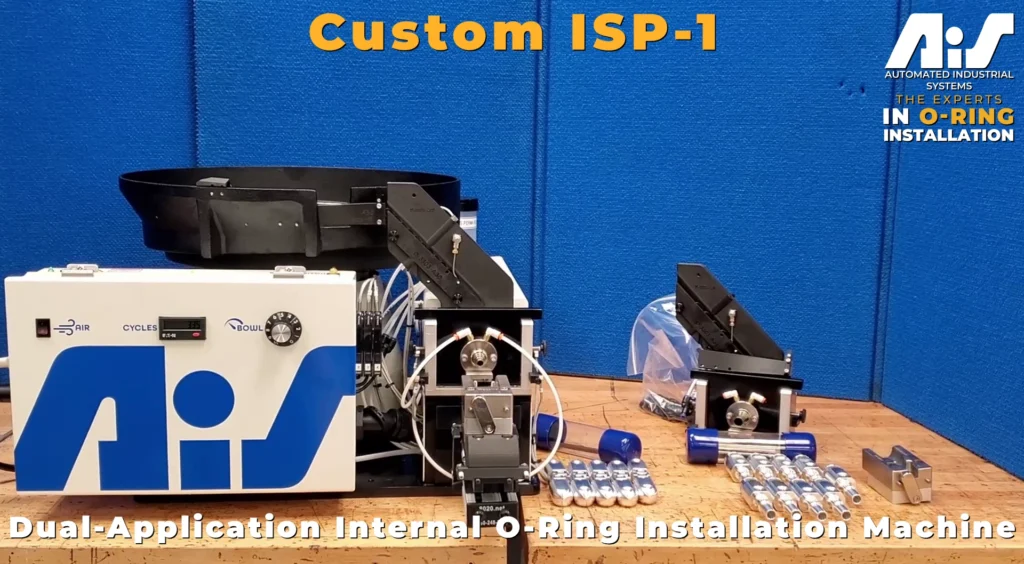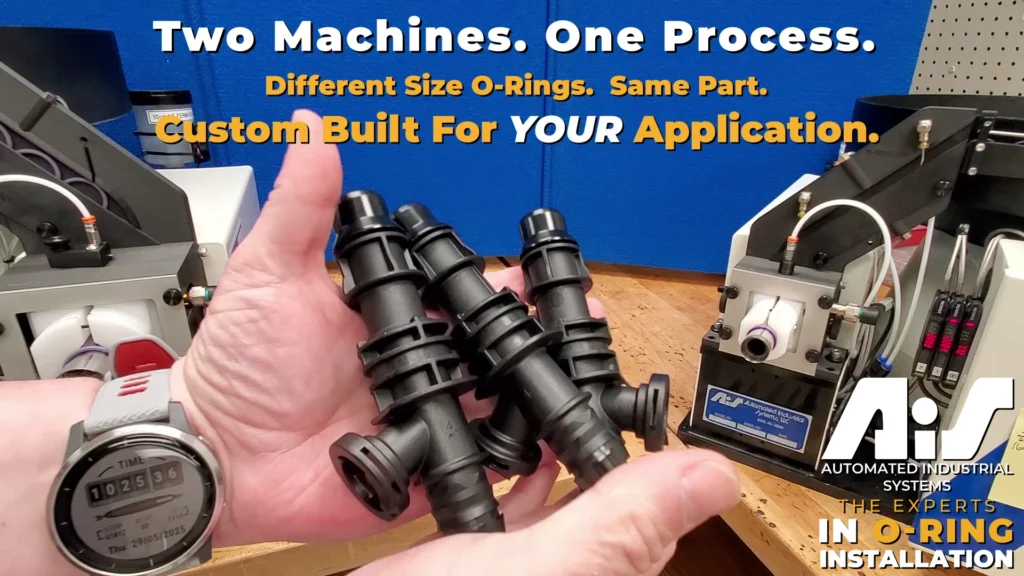
Dual-Head ASP-1 Built for Multi-Size O-Ring Installation
December 17, 2025
Why AIS Builds In-House Instead of Buying
January 21, 2026How AIS Validates Seal Installation Machines Before Shipment
What customers actually approve, and why proof-of-performance matters
Proof-of-Performance Matters
When an O-ring or seal installation machine arrives on your floor, it needs to work immediately. Not eventually. Not after tuning. Immediately.
At Automated Industrial Systems (AIS), validation before shipment is not a formality or a checklist item. It is a structured process designed to prove that the machine can feed, handle, and install seals consistently, using real parts and real operating conditions.
That validation happens in two distinct phases.
Phase 1: Continuous Cycle Validation
The first level of validation is a continuous run test.
Before a machine ever sees customer parts, it is operated for 500 continuous cycles. This test focuses on the fundamentals:
-
Seal feeding consistency
-
Timing and synchronization of moving components
-
Smooth operation of the installation mechanism
-
Stability over sustained operation
This phase is typically performed without customer parts and is not recorded on video. Its purpose is not presentation. It is mechanical confidence.
Running the machine continuously allows AIS technicians and engineers to identify and correct small issues that do not appear during short demonstrations. Minor adjustments to feed paths, timing, or component alignment are often identified here. Making those corrections early improves long-term reliability and reduces the chance of issues appearing once the machine is in production.
This step ensures the machine can reliably deliver seals to the installation point, cycle after cycle, without hesitation or interruption.
Phase 2: Recorded Proof-of-Performance Video
The second phase is the validation customers actually approve.
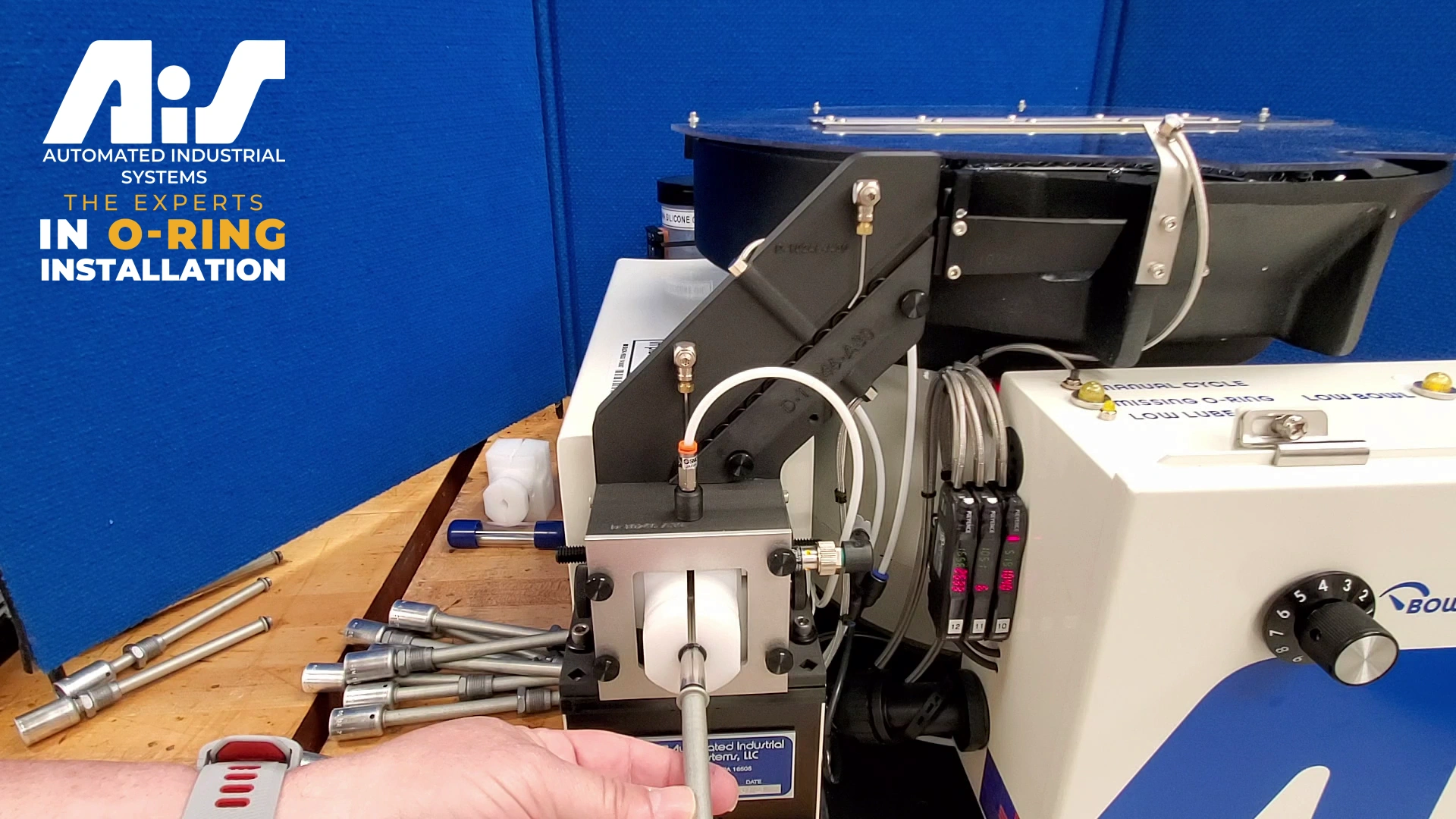
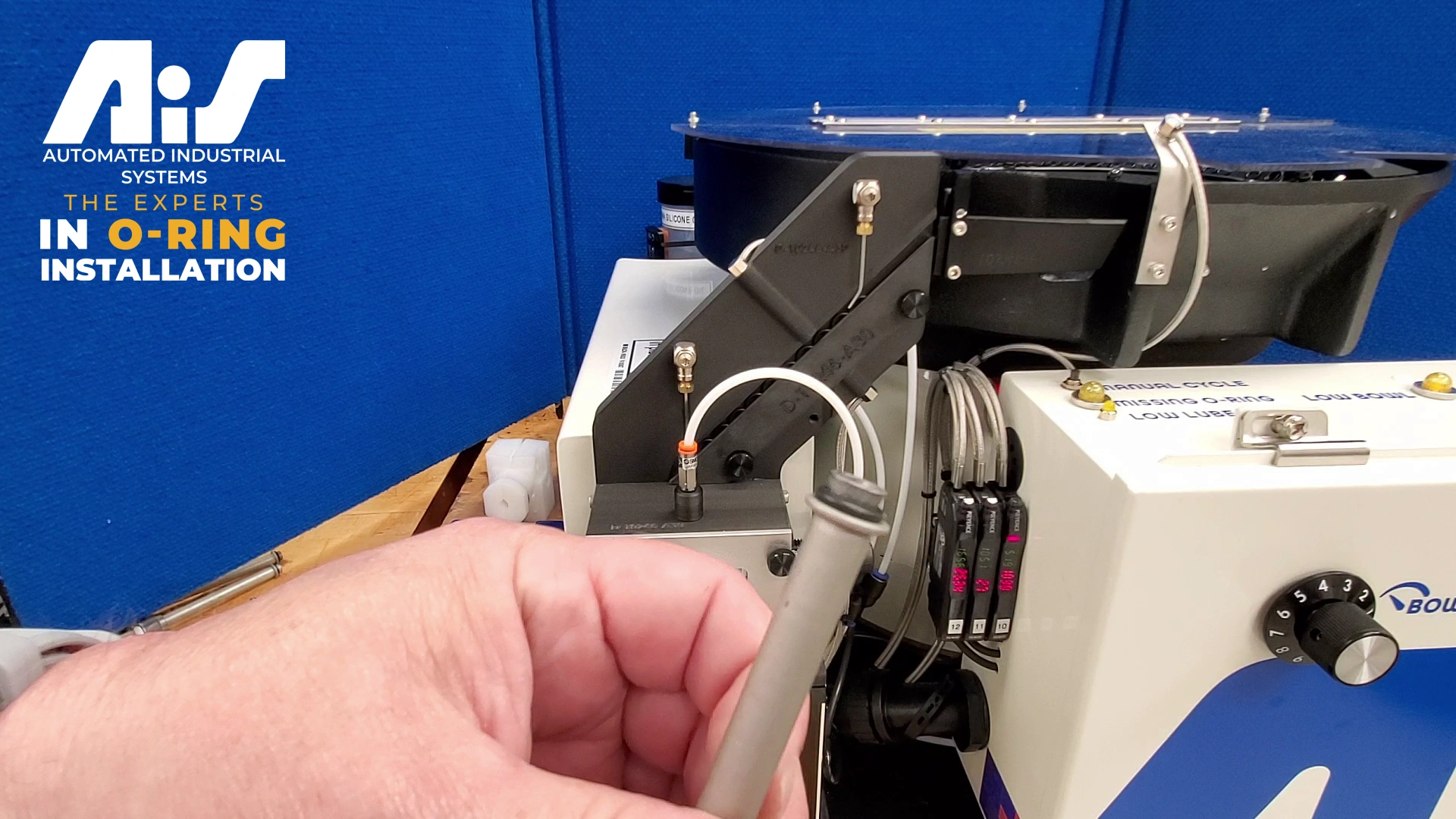
Once the machine has passed continuous cycling, AIS produces a recorded validation video. This video documents the exact machine configuration that was ordered and demonstrates it operating under real-world conditions.
The video typically includes:
Machine Overview
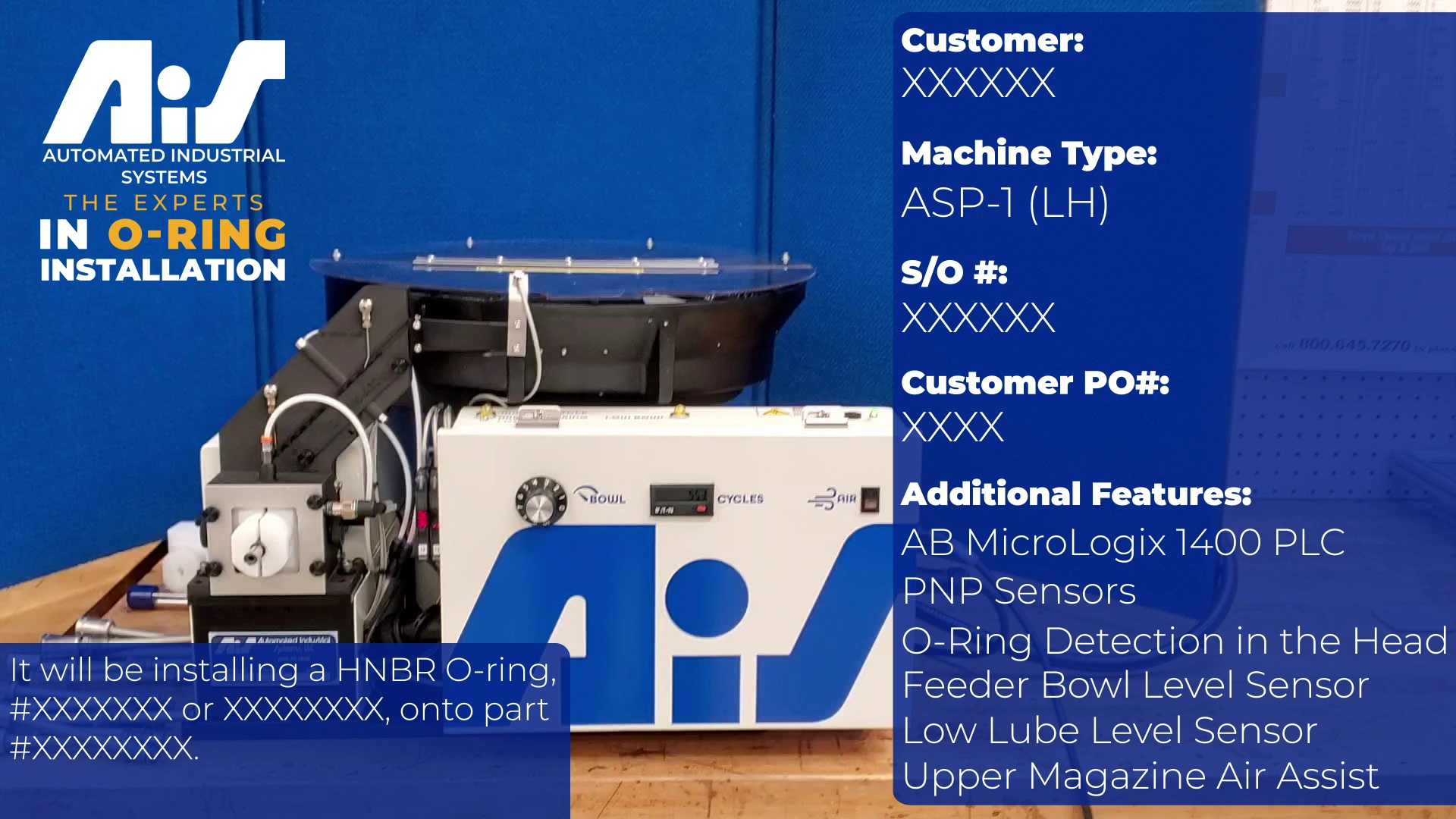
A brief introduction to the machine or machines supplied, confirming the overall configuration.
Ordered Features and Options
A clear call-out of all optional equipment and additional features included with the order, so there is no ambiguity about what is being demonstrated.
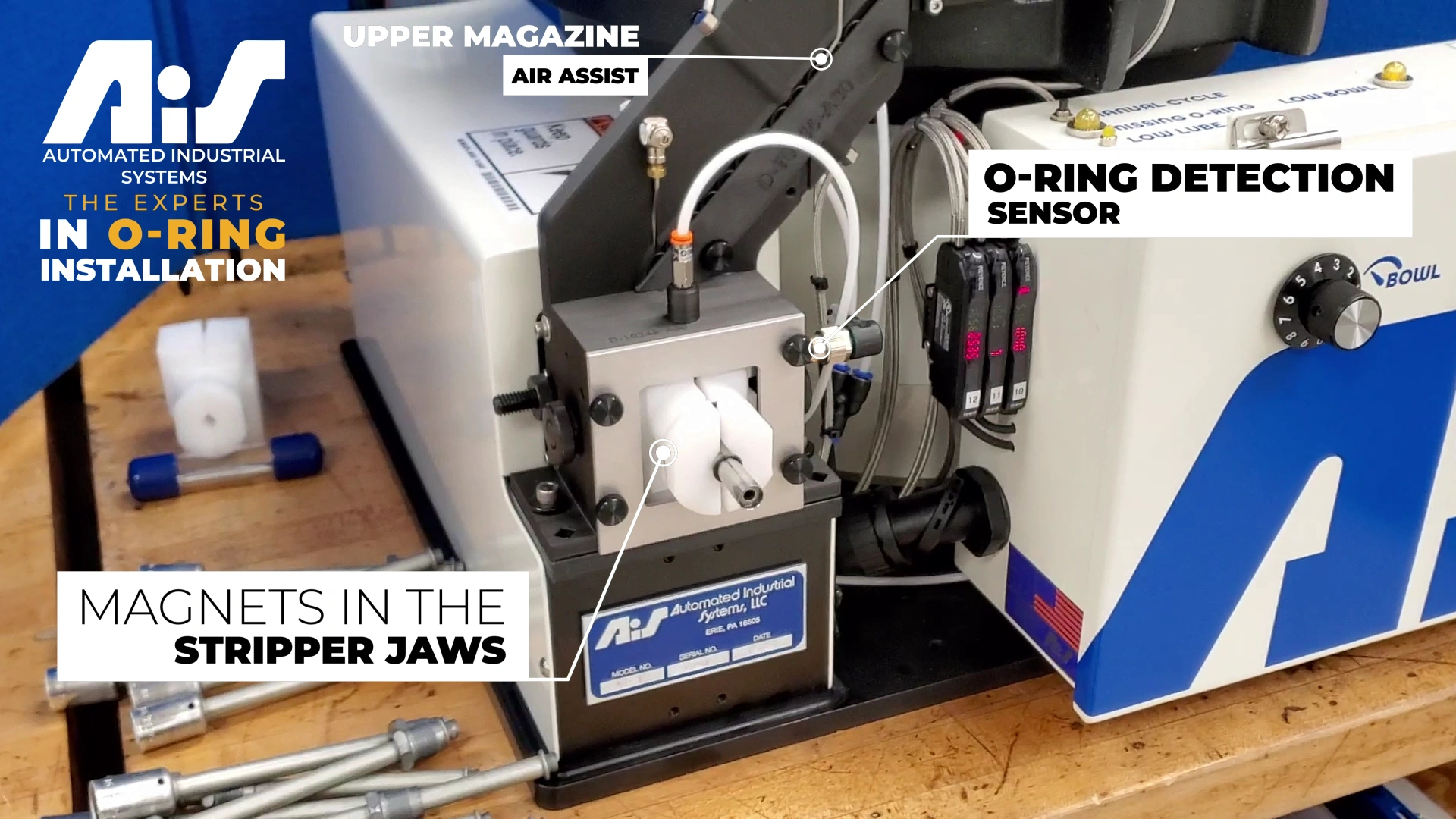
Full Machine Flyby
A visual walk through of the machine where major components and optional elements are identified and shown in place.
Operational Demonstration
Recorded operation of the machine installing seals, including:
-
Normal production cycling
-
Any required changeovers between head assemblies or tooling
-
Operation with all optional equipment engaged
Seal Verification
Close-up views of parts before and after installation, showing seal condition and placement. This portion reflects real operating cadence rather than staged demonstrations.
This is not a showroom video. It is a functional record of how the machine performs.
Why Sample Parts Matter
These validation videos are the primary reason AIS requests sample parts with every order.
Using customer-supplied parts allows AIS to:
-
Validate installation on actual geometry
-
Confirm seal handling with real tolerances
-
Demonstrate results that match production reality
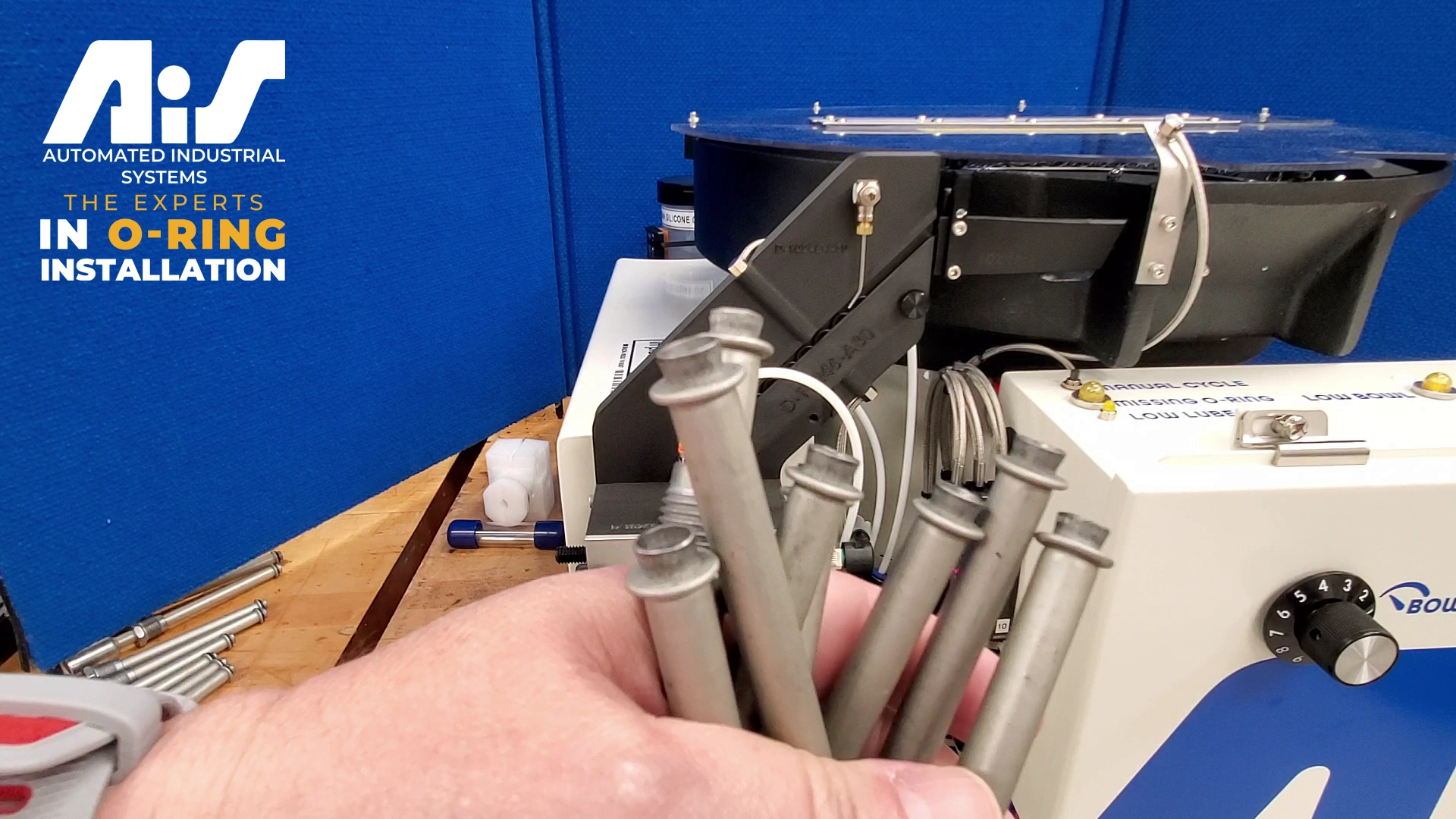
Running real parts eliminates assumptions and reduces risk. Customers are not approving a theoretical capability. They are approving documented performance on their own components.
What Customers Are Actually Approving
When a customer reviews and approves a validation video, they are signing off on more than motion.
They are approving:
-
The machine configuration as built
-
The included options and tooling
-
The installation result on real parts
-
The repeatability of the process
This approval step ensures alignment before shipment and prevents surprises after delivery.
Validation as Risk Reduction
AIS validation is not about meeting an internal standard. It is about reducing commissioning time, limiting rework, and ensuring confidence when the machine arrives on site.
By combining continuous cycle testing with documented, real-world operation, AIS ensures that installation machines ship proven, not just assembled.
That proof-of-performance matters long after the crate is opened.