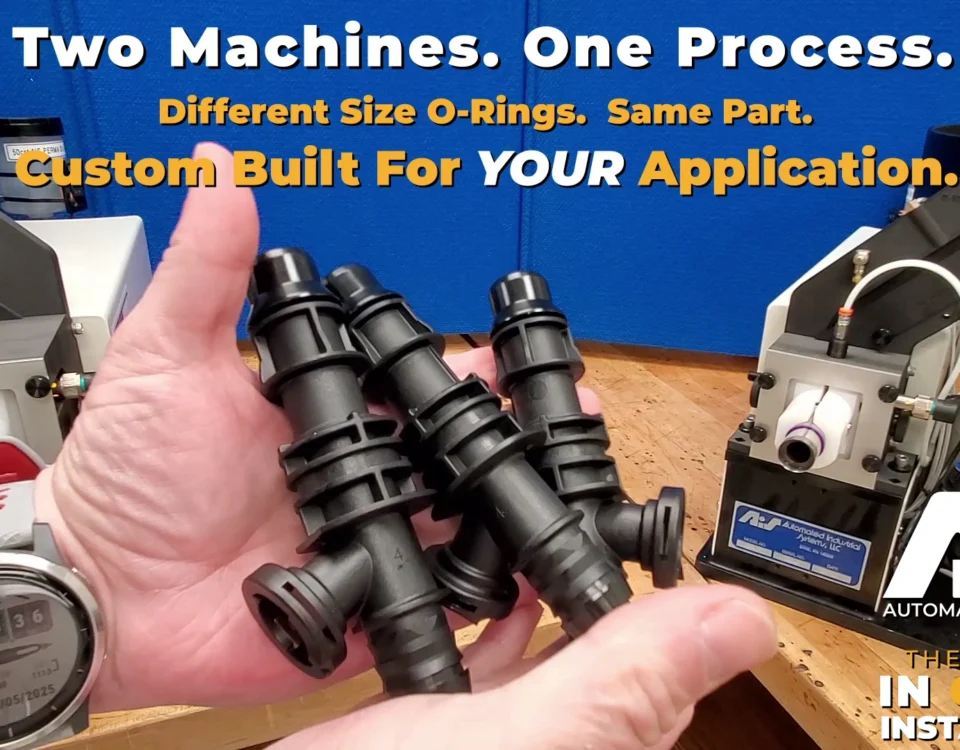
2 Different O-Rings on 1 Part
February 23, 2026
AIS at Automate 2026 (Chicago): Live O-Ring Installation Demos + Verification Sensing | Booth 4349
March 16, 2026When One Machine Needs to Do Two Jobs
Dual-Application Internal O-Ring Installation Machine
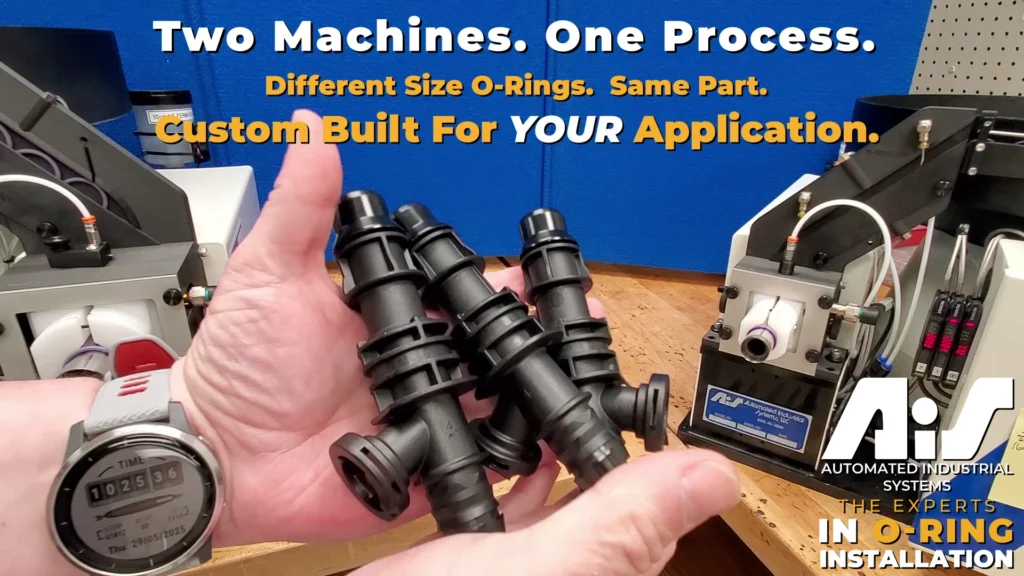
When One Machine Needs to Do Two Jobs: A Custom ISP-1 Build
There's a conversation we have fairly often with manufacturers who are installing o-rings inside bores, housings, or other internal features. It goes something like this: they need precision internal o-ring installation, they need it to run at production volume, and they have more than one part, or more than one o-ring size, that needs to get done.
The question is always whether that means two machines or one.
In most cases, it means one. This is that machine.
The Application
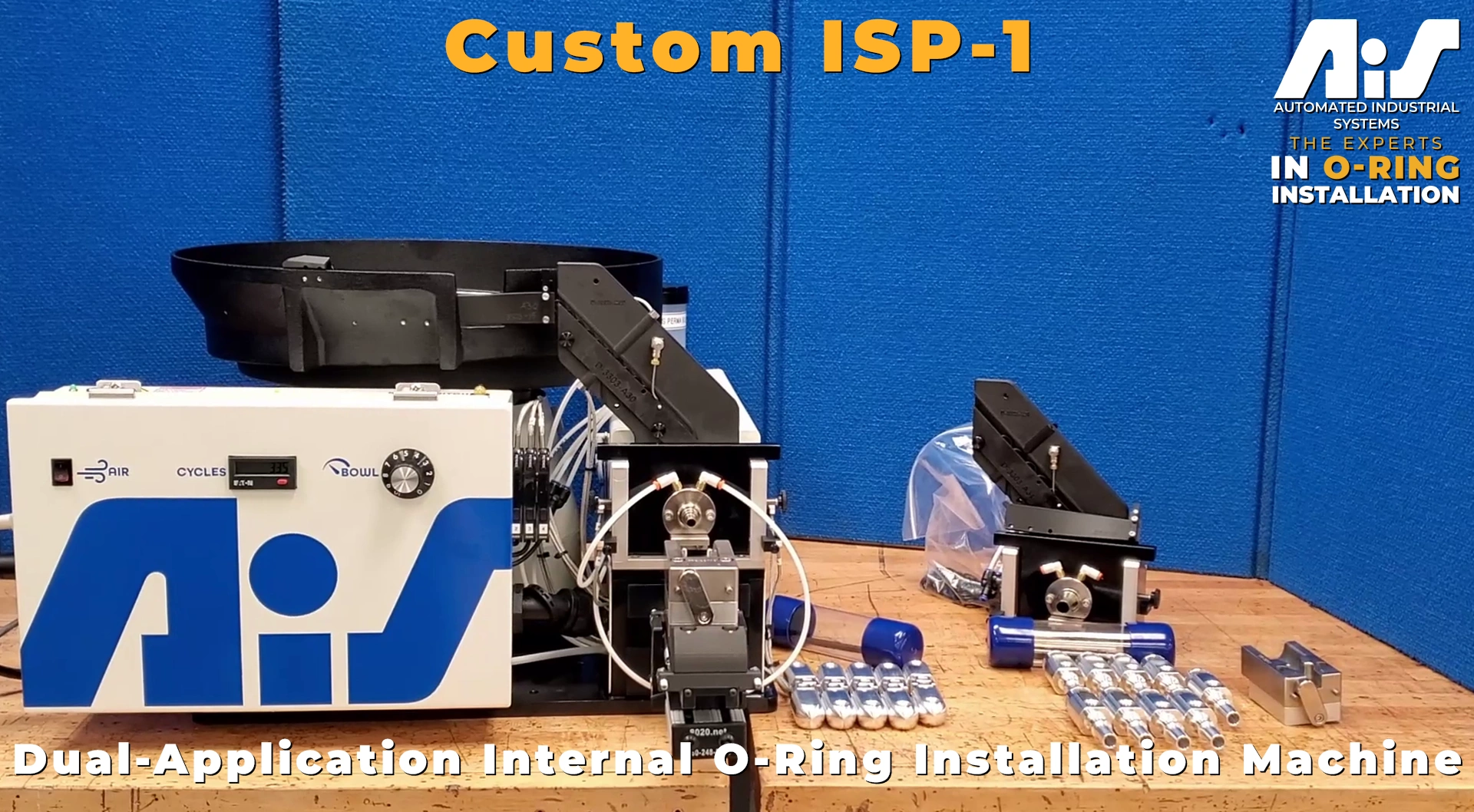
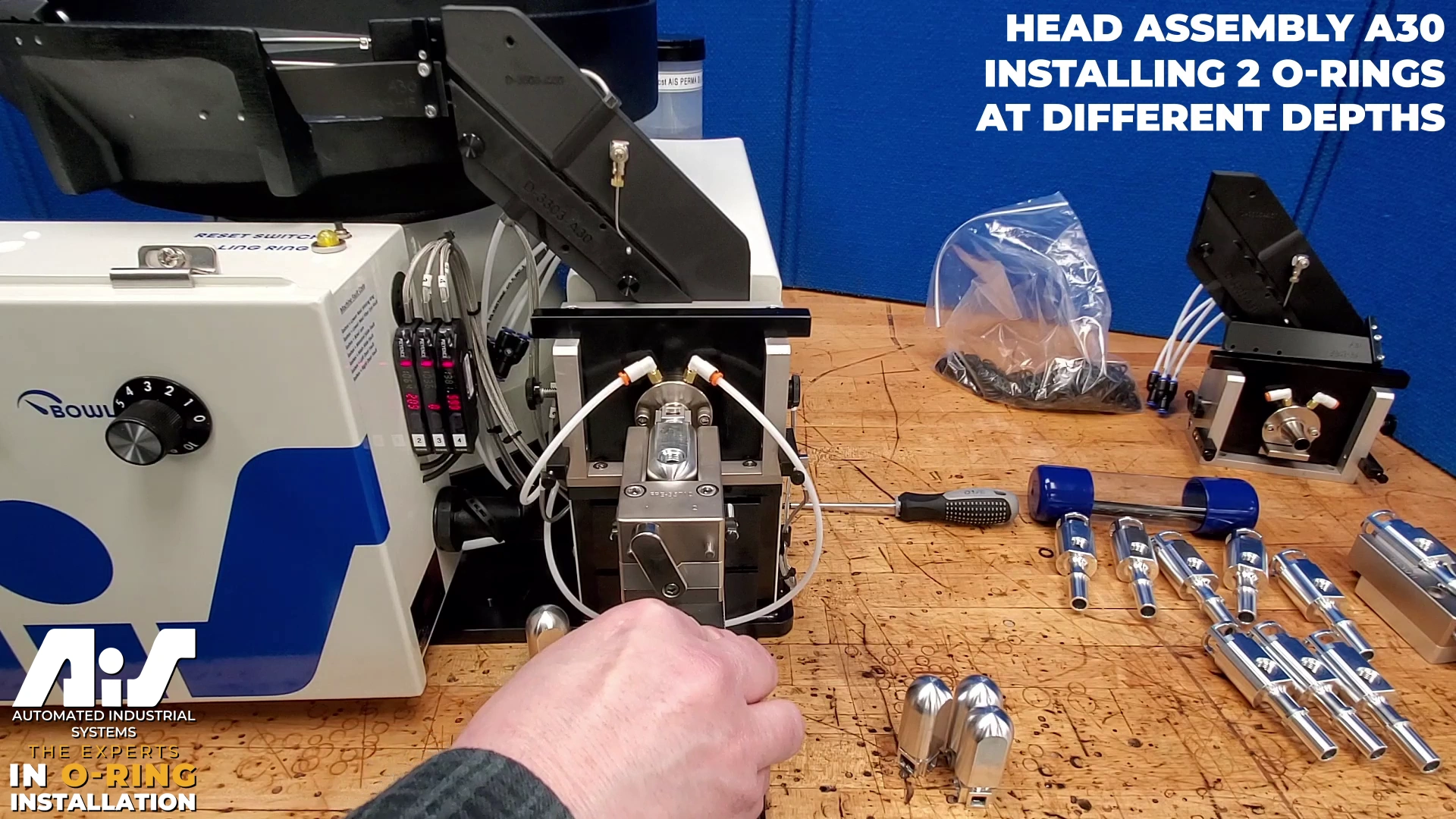
This custom ISP-1 was built for a customer running two distinct internal o-ring installation applications on the same production floor. Each application had its own part geometry, its own o-ring size, and its own depth requirements, specifically, two different installation depths per part, selectable by the operator during the run.
The result is a single ISP-1 chassis configured with:
-
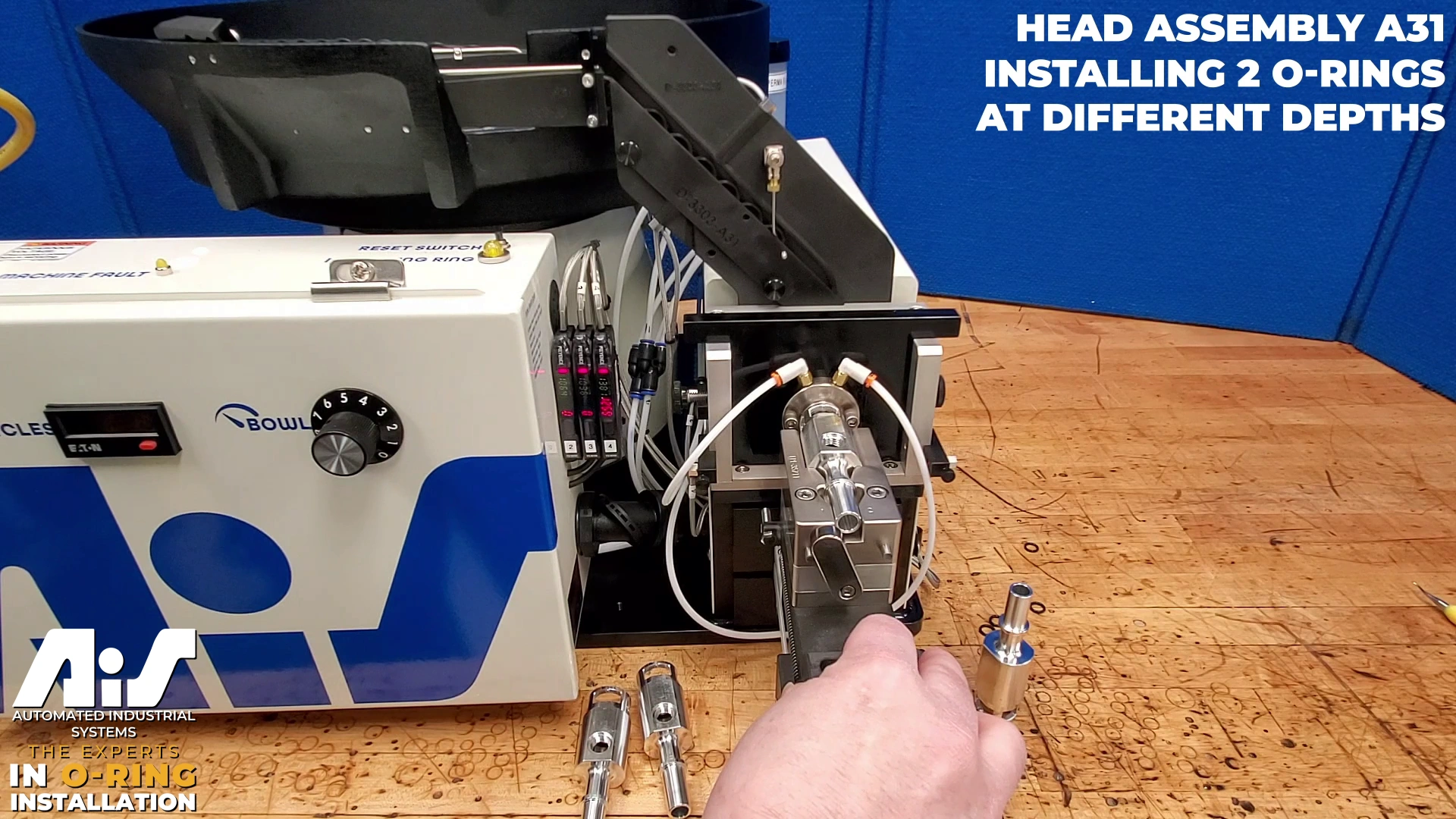
Two head assemblies, designated A30 and A31, each engineered for its specific part and o-ring combination
-
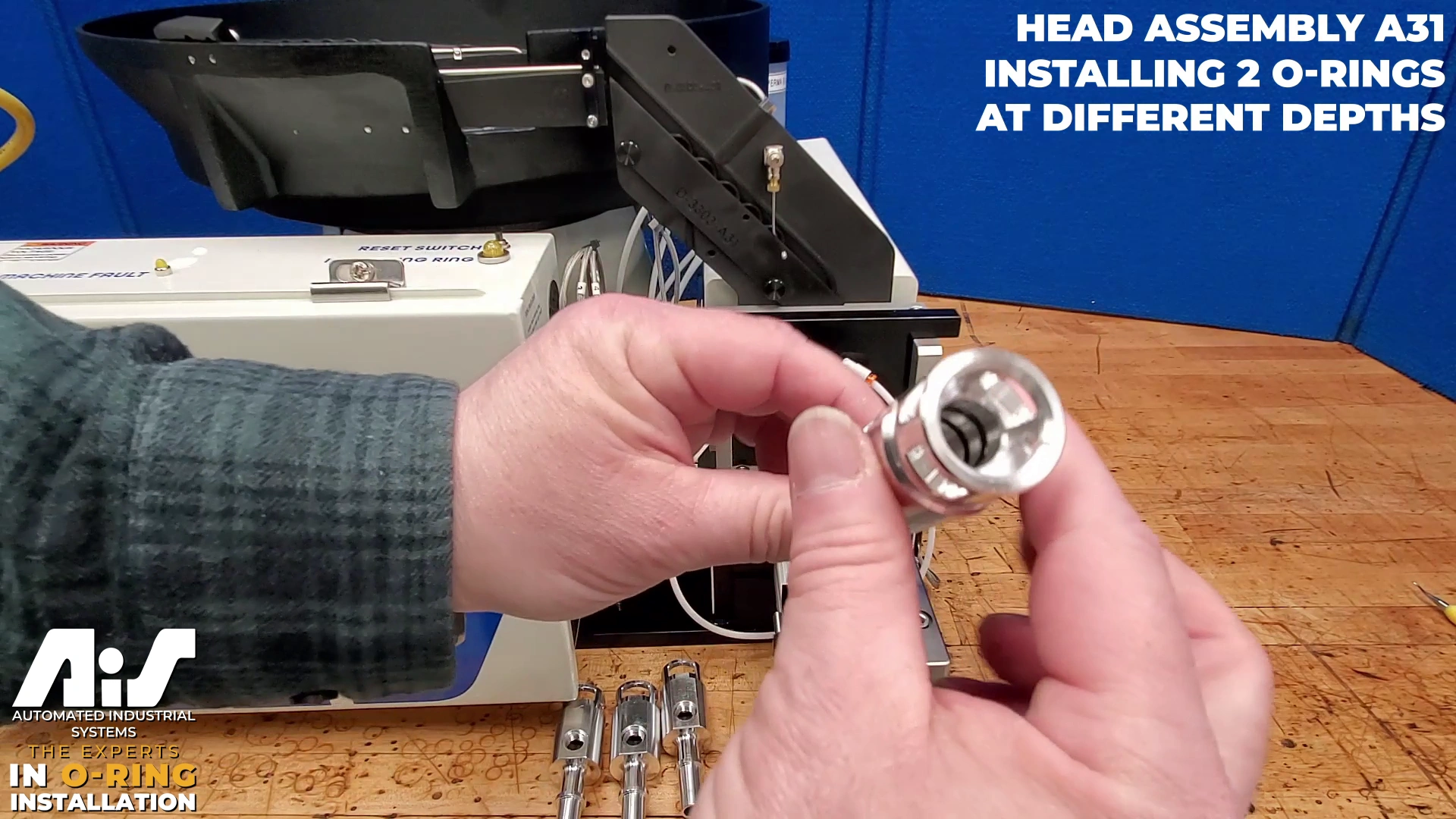
Two 2-position shuttle fixtures, one per head assembly, each allowing the operator to install o-rings at two different depths inside the part
-
Foot pedal operation throughout, keeping both hands free for part handling
-
Head assembly changeover in approximately 12 minutes, allowing a single machine to move between applications during a shift or between shifts
How It Works in Production
The operator loads a part into the shuttle fixture, selects the first, deepest, installation depth position, and activates the cycle with the foot pedal. The machine installs the o-ring at the correct depth inside the bore and the operator moves to position two, the shallower, to finish the install.
With head assembly A30, that means one part type and one o-ring size, to two different depths. With head assembly A31, after a 12-minute tooling swap, that means a completely different part, a completely different o-ring, also two different depths.
Same chassis. Same operator workflow. Completely different parts.
Why the 2-Position Shuttle Fixture Matters
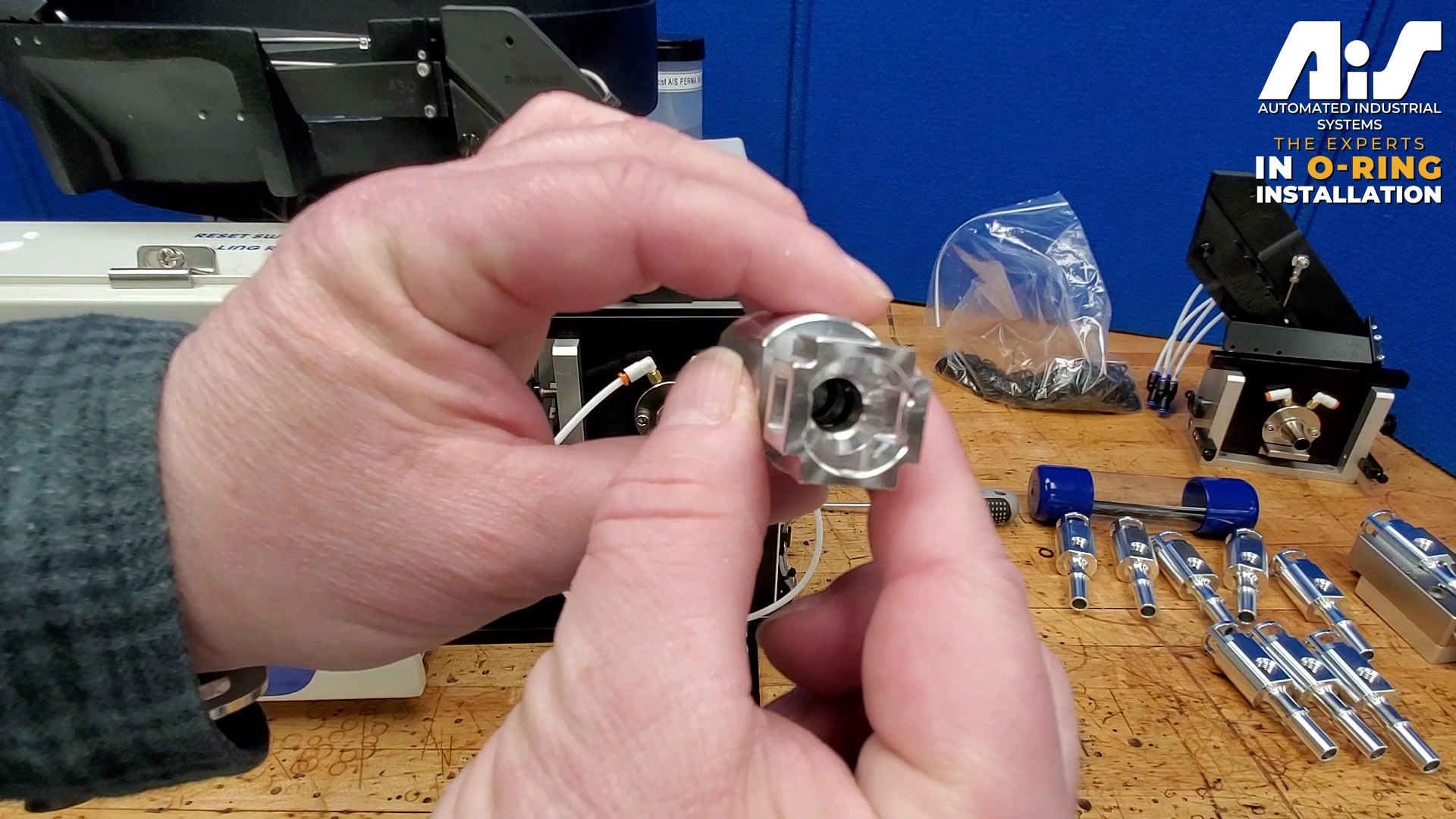
It's easy to gloss over the shuttle fixture as a supporting detail, but it's doing real engineering work here. Each part running through this machine needs two o-rings installed inside it, at two different depths. The 2-position shuttle fixture is what makes that repeatable.
The operator loads the part, runs the first position, advances the shuttle to the second position, and runs again. Two o-rings. Two precise depths. One fixture. The depth control lives in the tooling, not in the operator's hands.
Each head assembly has its own dedicated shuttle fixture, so when the operator swaps from A30 to A31, the correct fixture for that application comes with it. Two completely different parts, each requiring two o-rings at two different depths, handled cleanly on a single chassis.
The Flexibility Argument
A second machine would have solved this problem too. It would have also cost more, taken up more floor space, required separate maintenance, and meant the customer was running two capital assets at whatever utilization rate two separate machines could achieve.
One ISP-1 with a 12-minute changeover runs at higher utilization, takes up one machine footprint, and gives the customer a single platform to train operators on, stock spare parts for, and maintain. For applications that aren't running both part types simultaneously, the math is pretty straightforward.
The ISP-1 Platform
The ISP-1 is AIS's core semi-automatic internal o-ring installation machine, handling seals from .239" to 1.00" O.D. with cycle rates up to 30 per minute. It's available in left-hand or right-hand feed configurations and supports a range of options including stainless steel medical configurations, ionizing fans for static-sensitive applications, and PLC expanders for integration with broader production systems.
Every ISP-1 is built in Erie, PA and engineered to your specific application, including, as this build demonstrates, applications where "your specific application" turns out to be two applications that need to share a machine.
See It Running
The video below shows this custom ISP-1 in operation, head assembly A30 running its application, a place for the 12-minute tooling changeover, and head assembly A31 running its completely different application on the same chassis. Watch the shuttle fixture positioning and the installation on each cycle. That's not luck, that's what a properly engineered installation machine looks like.
If you're running internal O-ring installation by hand, or evaluating whether one machine can handle more than one of your applications, we'd like to talk. Request a quote at asporing.com or call us at 814-838-2270.
Want Consistent, Reliable O-Ring Install Performance?
AIS designs radial stretch–based O-ring installation systems that eliminate installation damage risk and deliver repeatable, high-yield performance. Whether you need standalone benchtop automation or full robotic integration, we engineer the process to help your seals actually seal.
Talk to AIS about a process-centric installation solution, not a guess.